
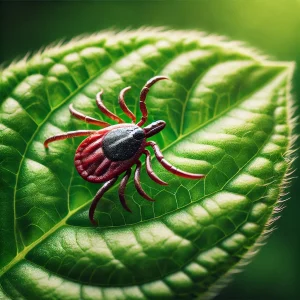
If you’ve been battling Lyme disease for months or even years without improvement, you’re not alone. Many Lyme sufferers experience frustration, confusion, and a sense of hopelessness as their symptoms persist despite treatment. One of the biggest reasons why Lyme treatment often fails is because of overlooked co-infections—other pathogens transmitted by ticks that complicate and intensify the disease.
Why You’re Still Sick: The Co-infection Factor
When most people think of Lyme disease, they focus solely on Borrelia burgdorferi, the bacterium responsible for Lyme. However, ticks carry a wide array of other pathogens that can infect you at the same time. These co-infections, such as Babesia, Bartonella, Ehrlichia, and Anaplasma, each come with their own set of symptoms, complicating the clinical picture. The worst part? Standard Lyme treatments often don’t address these infections, leaving you feeling worse despite treatment. If you’re suffering from persistent symptoms like extreme fatigue, brain fog, muscle pain, night sweats, or unexplainable anxiety, it’s possible that co-infections are the root cause of your lingering illness.
Common Co-infections That Might Be Overlooked
Babesia
Babesia is a parasite that attacks red blood cells, similar to malaria. Symptoms often include fatigue, sweats, chills, headaches, and shortness of breath. Because Babesia is a protozoan and not a bacterium, it doesn’t respond to traditional antibiotics. This means that if Babesia is present and untreated, you’ll continue to experience symptoms no matter how much antibiotic therapy you receive for Lyme.
Bartonella
Bartonella, often known as “cat scratch fever,” can cause symptoms such as swollen lymph nodes, fever, fatigue, joint pain, and severe neurological symptoms like anxiety, irritability, and brain fog. Bartonella is notorious for causing intense neuropsychiatric symptoms, which often go unrecognized as part of the Lyme picture. It requires specific treatments that are often not part of standard Lyme protocols.
Ehrlichia and Anaplasma
These bacterial co-infections can cause flu-like symptoms, including fever, chills, severe headaches, and muscle pain. While less known, they can lead to long-term health issues if left untreated.
Advanced Testing: Identifying the Pathogens Holding You Back
One of the most frustrating things about Lyme and its co-infections is that standard testing often misses them. Traditional Lyme tests like ELISA and Western blot are already unreliable, and they don’t screen for co-infections at all. This is where advanced testing comes in
IGeneX, Armin Labs, Cyrex Array 12, and Vibrant Tickborne Panel offer more comprehensive testing options to identify not just Borrelia burgdorferi, but also co-infections like Babesia, Bartonella, Ehrlichia, and Anaplasma. These labs use more sensitive testing methods, including advanced antibody detection, cellular immunity markers, and genetic analysis to uncover hidden infections that may be driving your symptoms.
By identifying co-infections through these advanced tests, you can finally get a complete picture of your health. Armed with this information, you and your healthcare provider can craft a treatment plan that addresses all the infections in your system—not just Lyme.
A Path to Real Recovery
If you’ve been treated for Lyme but still aren’t feeling better, it’s time to consider the possibility that coinfections are keeping you sick. Advanced testing can provide the answers you need to move forward with a more comprehensive treatment approach that targets all of the pathogens affecting your health.
Take the First Step Toward Healing
At The Karlfeldt Center, we specialize in uncovering the hidden co-infections that often go overlooked in Lyme treatment. We offer a free 15-minute discovery call to help you explore your options for advanced testing and personalized care. Call us today at 208-338-8902 or email info@thekarlfeldtcenter.com to take the first step toward finally getting the answers you deserve.