
Brain Fog: My Naturopathic Approach to Supporting a Clearer Mind
By Dr. Michael Karlfeldt
Dr. Karlfeldt at The Karlfeldt Center.
You know the feeling: a familiar word slips away, you read the same paragraph twice, or an ordinary task takes more concentration than it should. When that becomes part of your day, you want to understand what is happening—and what you can do to feel more like yourself.
As a naturopathic doctor with a special interest in herbalism and nutritional compounds, I approach brain health by looking at the conditions that allow the brain to function well. That includes nourishment, oxygen delivery, cellular energy, hormonal health, sleep, and the way the nervous system responds to stress.
My starting question is: What could be placing extra demands on your brain, and what support makes sense for you?
That perspective opens several useful avenues. We can investigate nutritional and hormonal contributors, consider carefully selected herbs, and explore therapies available at The Karlfeldt Center. The aim is a thoughtful plan that connects your symptoms, your health history, and your goals.
Looking beneath the fog
Brain fog is a description, rather than a single disease. The same complaint can arise in very different circumstances. Someone whose concentration changed during menopause needs a different conversation from someone recovering from an illness or experiencing progressive memory difficulties.
I want the evaluation to begin with your story. When did the change start? What makes it better or worse? How are you sleeping? Have medications, stress, diet, or other symptoms changed? Those details help determine which tests and treatments deserve attention.
Persistent or worsening symptoms warrant medical assessment. Sudden confusion, trouble speaking, one-sided weakness, or new problems with vision or walking are different: call 911 immediately, even if they improve. Stroke warning signs
Testing that helps guide a plan
From a naturopathic perspective, laboratory findings are most useful when they connect to the person in front of us. Depending on your history, an evaluation may include:
- Nutritional status: B12, selected folate or iron studies, and a complete blood count to explore deficiencies or anemia.
- Thyroid and metabolic health: thyroid testing and a metabolic panel to investigate contributors to fatigue, mental slowing, and changes in concentration.
- Inflammatory activity: markers such as CRP or ESR when the clinical picture calls for them. These show general inflammatory activity and need interpretation alongside symptoms.
- Relevant environmental exposures: targeted testing for a particular metal when an exposure history makes it appropriate.
B12 deserves particular attention because deficiency can affect nerves even without anemia. Tests for metals should use validated collection methods and appropriate reference ranges; finding a detectable amount does not by itself establish toxicity. These distinctions help keep treatment focused on findings that matter. B12 information, cognitive assessment guidance, metal-testing guidance
Herbs belong in the brain-health conversation
Herbal medicine is particularly interesting to me because plants contain compounds that interact with multiple biological processes. My interest goes beyond asking whether an herb makes someone feel more alert today. I also want to understand its potential role in memory, stress response, and cellular protection.
The quality of the extract and the reason for using it matter. Research on a standardized extract helps guide selection, while your medications and health history help determine whether it fits your care.
Ginkgo: cognitive support and cellular resilience
Ginkgo is one of the botanicals I want readers to know about when exploring cognitive support. Research on the standardized leaf extract EGb 761 includes a 410-person trial in people with mild to moderate dementia and associated neuropsychiatric symptoms. Over 24 weeks, the extract improved cognitive and symptom scores compared with placebo. These findings make standardized ginkgo an option to discuss for symptom support in people with these diagnosed conditions. Clinical trial, research overview
There is also a biological reason for the interest. Laboratory studies have examined how ginkgo extract protects mitochondria—the structures that help cells produce energy—from oxidative stress. I see this as a useful explanation of why the herb attracts research attention, alongside the human findings. Laboratory study
Ginkgo requires a medication review, especially with blood thinners, because of possible bleeding interactions.
Bacopa: memory, learning, and the stress connection
Bacopa monnieri has a long tradition of use for memory. Its bacosides have been studied for effects on cellular stress and signaling, while human trials have explored learning and recall.
In a randomized trial involving 98 older adults, a standardized extract improved selected verbal-learning and memory measures over 12 weeks. A newer trial also found encouraging stress and fatigue results, although cognitive benefits have varied across studies. Memory trial, stress and fatigue trial
What interests me is the connection between mental performance and the demands placed on the nervous system. Bacopa is an option to evaluate thoughtfully over time, with attention to the extract and digestive tolerability.
Curcumin and Boswellia: exploring inflammatory pathways
Curcumin, a compound from turmeric, is studied for its effects on inflammatory and oxidative pathways. An 18-month trial in 40 adults without dementia found improvements in selected memory and attention measures with a particular bioavailable oral formulation. Curcumin trial
Boswellia contains boswellic acids that interact with inflammatory pathways, including the enzyme 5-lipoxygenase in laboratory research. A three-month pilot trial in people with previous traumatic brain injury reported cognitive improvements with a specific oral extract. Mechanism study, Boswellia trial
These are useful examples of how botanical research can inform individualized care. The oral preparations studied are distinct from the Center’s Boswellia IV offering. I keep formulation and route in view when discussing expected benefits.
Giving the brain the nutritional tools it needs
Brain cells need energy, intact membranes, and the ability to communicate. Nutritional compounds contribute to each of these functions.
B vitamins support nerve health and metabolic processes. B12, folate, and B6 participate in homocysteine metabolism. In the VITACOG study, a B-vitamin combination slowed MRI-measured brain shrinkage in older adults with mild cognitive impairment, especially among those with higher homocysteine. That finding reinforces my interest in nutritional assessment, followed by attention to meaningful changes in daily function. VITACOG trial
DHA helps build the membranes through which nerve cells communicate. In the 485-person MIDAS trial, oral DHA improved selected learning and memory measures in older adults with age-related cognitive decline. Results across omega-3 studies vary, so I consider nutritional intake and individual circumstances alongside that encouraging finding. DHA trial
Creatine helps replenish cellular energy. The creatine–phosphocreatine system helps regenerate ATP, the energy cells use. A controlled human study during sleep deprivation found improvements in cognitive performance and brain energy-related measurements. This is a promising example of nutritional support during a specific metabolic challenge. Creatine study
Magnesium contributes to nerve signaling. Research on oral magnesium L-threonate includes a six-week trial reporting improvements in a composite cognitive score. The particular form matters, and this research relates to oral supplementation. Magnesium trial
Vitamin C supports antioxidant defenses. In adults with inadequate vitamin C status, a small oral-supplement trial found improvements in attention. Identifying and correcting a nutritional gap can be a practical place to begin. Vitamin C trial
I favor a purposeful selection of nutrients, with a clear reason for each one and a plan to review your response.
Hormonal optimization and mental clarity
Hormones influence sleep, energy, mood, and cognitive function. They deserve consideration when the timing and pattern of symptoms suggest a connection.
Thyroid dysfunction can contribute to mental slowing and concentration difficulties. Appropriate treatment of a thyroid disorder may improve these symptoms. American Thyroid Association
During perimenopause and menopause, hormonal changes may arrive alongside night sweats, interrupted sleep, and a sense of feeling less mentally sharp. For suitable candidates, hormone therapy can relieve menopausal symptoms and the sleep difficulties that accompany them. I consider hormone therapy for appropriate menopausal symptom relief, particularly when disrupted sleep is affecting the day. Decisions about persistent cognitive symptoms also require their own evaluation. The Menopause Society
Testosterone evaluation may also be appropriate when the broader symptom picture suggests deficiency. Properly timed, repeated testing and an assessment of benefits and risks guide that decision. Endocrine Society
To me, optimization means finding the right support for the individual and monitoring the response. A history of hormone-sensitive cancer, blood clots, or other significant conditions belongs in that discussion.
Oxygen, cellular energy, and the capacity to adapt
Neuroplasticity is the brain’s capacity to change its connections and activity in response to experience. It is one reason I am interested in combining nutritional care with approaches that address oxygen availability, brain activity, and restorative rest.
Each tool addresses a different aspect of care. I consider the intended benefit, the research relevant to your situation, and how we will assess your response.
Hyperbaric oxygen therapy: increasing oxygen availability
Hyperbaric oxygen therapy combines oxygen with increased pressure, raising the amount of oxygen dissolved in the blood. Oxygen is essential to mitochondrial energy production, which makes its delivery particularly relevant to brain function.
In a rat model of brain injury, HBOT improved brain oxygenation and measures of mitochondrial function. Human research has also explored recovery and neuroplasticity: a 40-session randomized trial in people with long COVID reported improvements in cognition alongside changes in brain imaging. These findings help explain my interest in HBOT as a potential part of an individualized neurological-support plan. Animal study, human trial
Human studies have produced mixed results across treatment protocols. I use the diagnosis, chamber settings, medical suitability, and treatment goals to guide the conversation about HBOT. Additional trial
ExoMind: working with brain circuits
ExoMind uses transcranial magnetic stimulation to influence activity in targeted brain circuits. Repeated stimulation can affect the way those circuits function, which is why TMS has become an important tool in psychiatric care.
When mood and concentration are connected, addressing the relevant brain networks may be part of the clinical plan. At the Center, the conversation includes the appropriate indication, device protocol, and screening. TMS clearances apply to particular psychiatric uses rather than brain fog as a general symptom. FDA device information
IASIS microcurrent: exploring brain-activity regulation
IASIS applies low-intensity electrical pulses with EEG monitoring. Its purpose is to influence patterns of brain activity. A small pilot study in people with persistent symptoms after mild traumatic brain injury reported improvements in symptoms and measured brain activity. IASIS study
I view this as an emerging tool to discuss within a broader plan, with changes in everyday function helping guide follow-up.
Theta Chamber: combining movement, sound, light, and microcurrent
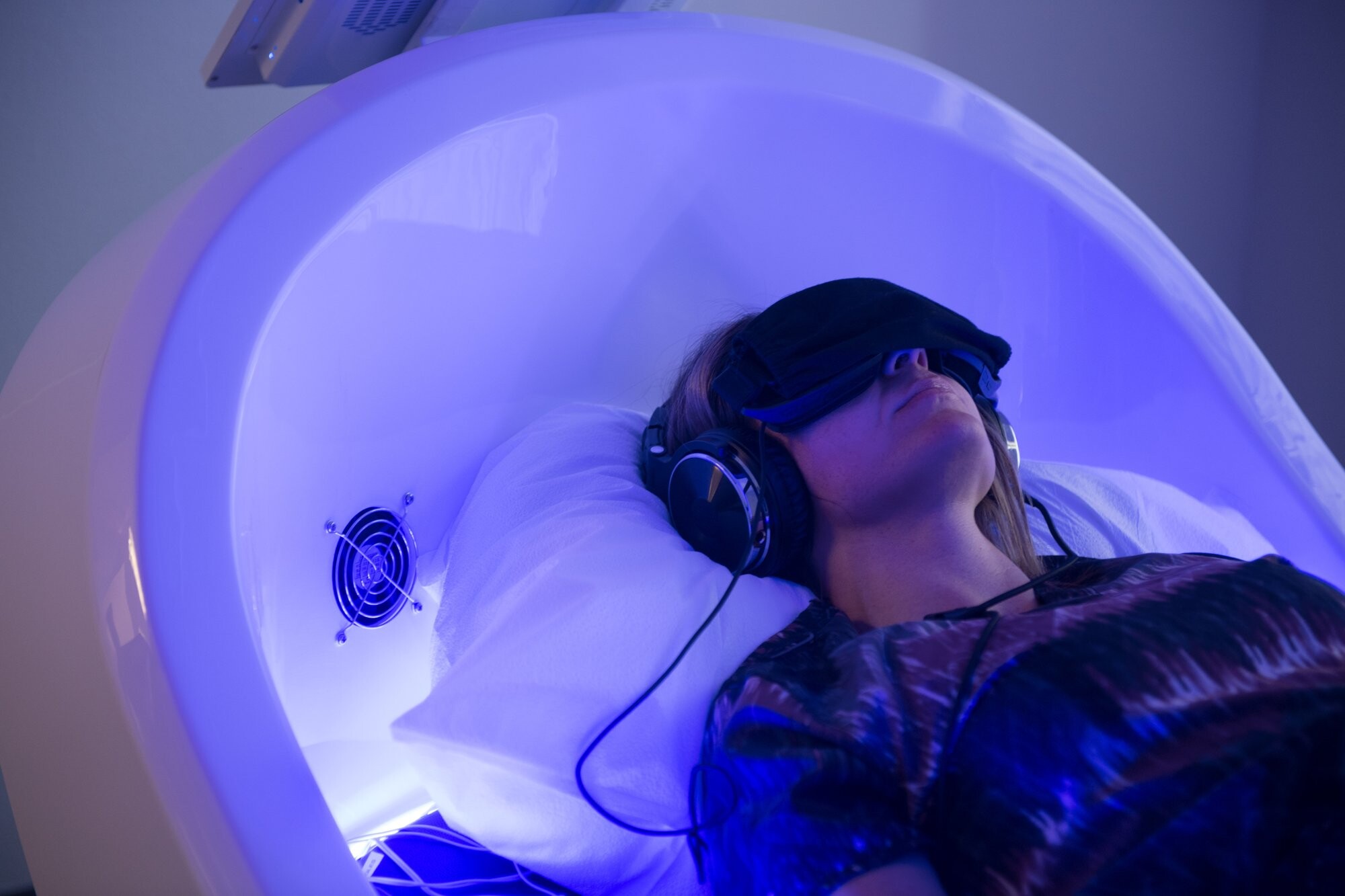
The Theta Chamber at The Karlfeldt Center.
The Theta Chamber brings several forms of nervous-system stimulation together in one session. Developed by Loran Swensen, its design combines sensory input with the intention of supporting brainwave regulation and adaptive brain responses. Swensen’s company describes an integrated approach involving motion, sound, and light. Manufacturer’s overview
The components we are discussing at the Center include:
- Vestibular motion: The chamber’s rotation provides input to the inner-ear system involved in balance and our sense of movement and position.
- Cranial electrotherapy stimulation, or microcurrent: Low-level electrical impulses are delivered through contacts at the ears, with the intention of influencing nervous-system activity.
- Binaural beats: Headphones present slightly different tones to each ear, creating the perception of a rhythmic beat. This provides an auditory pattern intended to influence brainwave activity.
- Patterned visual light stimulation: Pulsed light patterns provide rhythmic visual input alongside the other components.
What interests me about this approach is the opportunity to engage several pathways at the same time. The design rationale includes supporting neuroplasticity—the brain’s ability to adapt its connections and responses—as well as relaxation and stress regulation. This is the intended therapeutic direction of the combined stimulation, rather than a promise that a session will create lasting changes in memory or cognition.
In an individualized brain-health plan, I would consider how this approach fits your needs alongside nutrition, sleep, hormonal health, and the other contributors to brain fog. We would follow changes that matter in daily life, such as concentration, sleep quality, and how you feel, to guide next steps. Our Theta Chamber
Nutritional IVs: considering the needs of the whole person
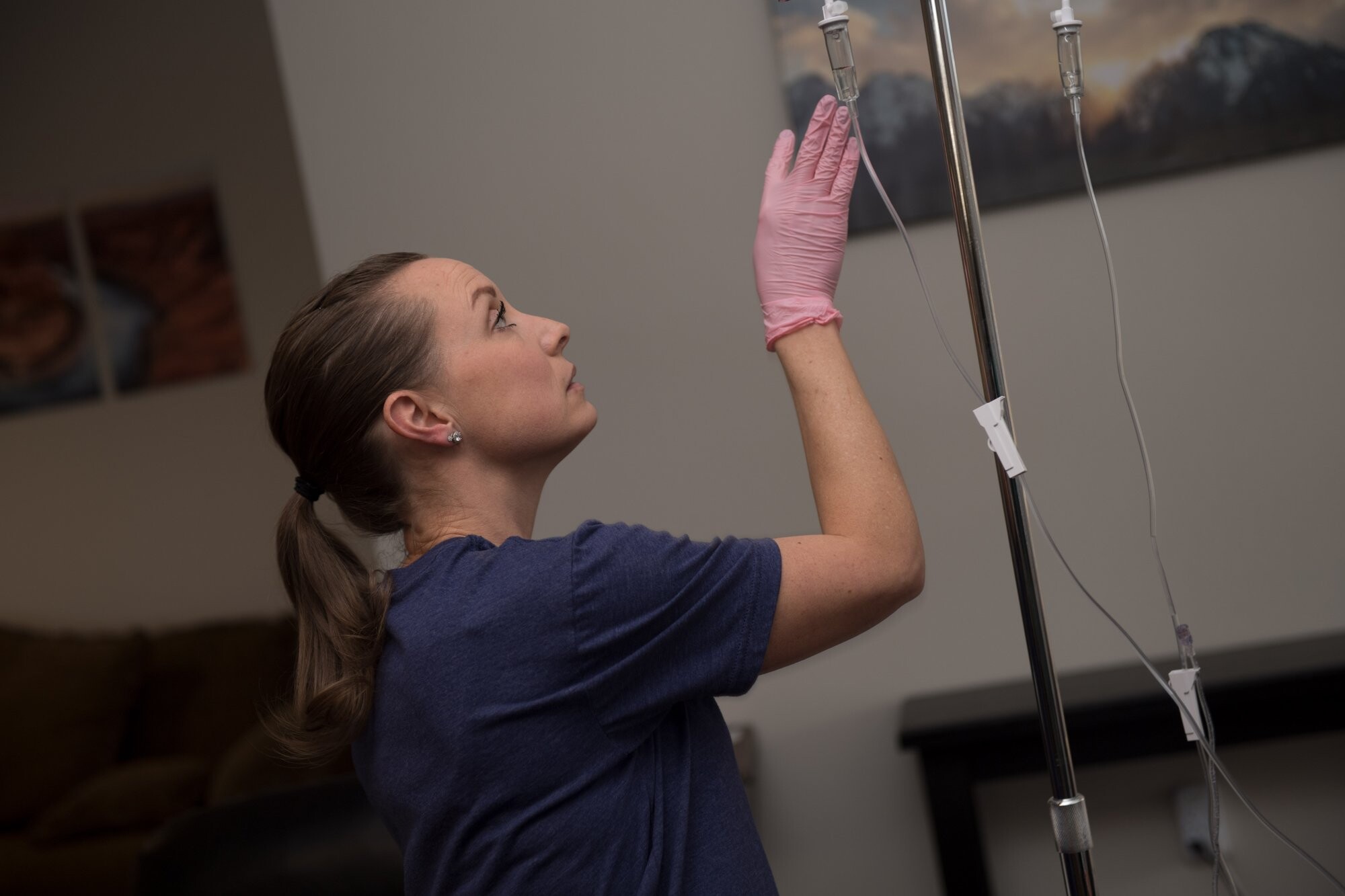
IV preparation at The Karlfeldt Center.
Our IV nutrition services include options involving NAD, glutathione, magnesium, and phosphatidylcholine. Their biological functions help explain why they arise in conversations about cellular support:
- NAD participates in reactions that help cells extract energy from nutrients.
- Glutathione contributes to antioxidant defenses, including protection against oxidative stress.
- Magnesium supports many enzyme reactions and normal nerve function.
- Phosphatidylcholine is a major component of cell membranes; choline also contributes to the production of acetylcholine, a messenger involved in memory and attention.
These biological roles help explain the interest in cellular support. When considering an IV, I distinguish the function of an ingredient from the demonstrated effects of the specific infusion. I want the discussion to connect the purpose of treatment with your needs and a clear plan to assess your response. Current blood work and a medical appointment are required for IV clearance. NAD research, glutathione research, choline reference
Looking ahead: peptides and cellular signaling
Peptides are another area of interest because of their roles in cellular signaling. Research discussions include Semax for neurological applications, Selank for stress-related pathways, and MOTS-c for metabolic signaling.
These names introduce areas of ongoing research; availability at the Center must be confirmed for each compound. Human benefits and safety are still being characterized, and FDA has raised safety concerns. Any consideration belongs in a medically supervised discussion of the exact product, current regulatory status, and individual suitability. FDA information
Let’s start with what you want to be able to do again
Perhaps you want to follow conversations more easily, feel more capable at work, or enjoy a book without repeatedly losing your place. Those are useful goals for a care plan.
My naturopathic perspective brings together the foundations of health with the possibilities offered by herbal medicine, nutrition, hormonal evaluation, and appropriate therapeutic tools. I want each step to have a purpose that you understand.
Contact The Karlfeldt Center or call 208-338-8902 to begin that conversation. Bring your symptom timeline, medications and supplements, and any recent lab results. Together, we can explore what may be contributing to your symptoms and which next steps fit your situation, including specialist evaluation when needed.
Educational information; treatment is individualized. Review herbs and supplements with your care team, particularly if you take blood thinners or cancer medicines. Concentrated curcumin products can interact with tamoxifen. Interaction study